


Discover the Korean Aesthetic Clinic Standard for Skin Perfection
What if a single destination could seamlessly blend advanced dermatological expertise with personalized beauty care? A Korean aesthetic clinic is a specialized medical facility where board-certified skin specialists and physicians deliver precision treatments tailored to your unique facial structure and skin condition. From laser rejuvenation to injectable procedures, every step follows a meticulous consultation-to-aftercare protocol designed to produce natural, measurable results. This model prioritizes your safety and satisfaction by combining cutting-edge technology with refined Korean beauty standards, ensuring a comprehensive experience that enhances both appearance and confidence.
What Exactly Happens at a Korean Aesthetic Clinic on Your First Visit?
Your first visit to a Korean aesthetic clinic starts with a skin analysis, often using a diagnostic device that maps dehydration, pigmentation, and pore size in seconds. A consultant reviews your medical history and daily habits, then a doctor—not a salesperson—examines your face under bright light, sometimes gently pressing on skin to assess elasticity. You’ll then discuss specific goals, like lifting or brightening, while the practitioner suggests a same-day treatment such as hydrating injections or light peels. Most clinics perform a patch test on your inner arm or behind the ear before any active serum touches your face. The actual procedure is swift, often under thirty minutes, with cooling masks or LED therapy to calm redness. Surprisingly, the most time-consuming part is the consultation itself, because Korean clinics prioritize precise diagnosis over quick fixes. You leave with a printed aftercare sheet and a follow-up booking—no hard sell, just a mapped-out plan.
The Typical Consultation Process: Skin Analysis and Doctor’s Assessment
Your first visit begins with a consultation, not treatment. A licensed doctor—not just a nurse—performs a detailed skin analysis and doctor’s assessment using a magnifying device like the A-One or Mark-Vu to view pores, pigmentation, and dehydration beneath the surface. The doctor then manually palpates your skin to check elasticity and texture, asking about your routine, allergies, and past procedures. Based on findings, they map a priority order: inflammation first, then pigmentation, then elasticity. You receive a printed analysis sheet with specific recommendations, and the doctor explains expected outcomes and downtime. This evaluation determines whether you proceed with lasers, peels, or prescription compounds.
Q: Why is the doctor’s hands-on assessment essential during the skin analysis?
A: Because cameras miss tactile clues—thickness, oiliness, or reactive redness—that directly change which treatment intensity is safe for your skin on that exact day.
How Treatment Plans Are Customized Based on Your Skin Type
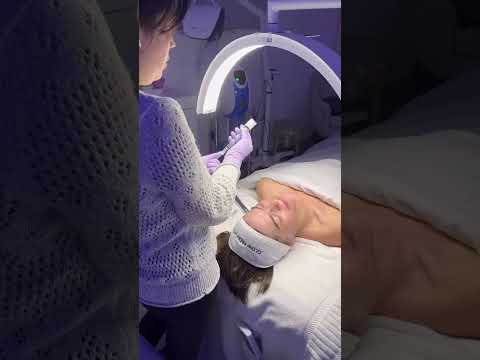
Your skin type—determined via the Seoul’s standard eight-point sebum/moisture mapping—dictates every procedural variable, from the molecular weight of injected hydration to the energy level of laser resurfacing. Oily, acne-prone complexions receive low-viscosity, pore-flushing solutions and shorter intervals between extractions, while dehydrated, barrier-compromised skin gets ceramide-heavy prepping and non-ablative devices to avoid transepidermal water loss. Sensitive types are triaged with patch tests on the jawline, then receive reduced-frequency ultrasound and gentler enzyme peels, whereas combination skin is treated zonally, with harsh actives confined to the T-zone. This skin-type-driven treatment algorithm directly alters product layering order, tool contact time, and post-care occlusion, ensuring the clinic’s protocols never follow a one-size-fits-all blueprint.
Your customized plan at a Korean aesthetic clinic is built strictly from your measured skin type, guiding every product choice, device setting, and procedure sequence.
Signature Procedures You Can Expect to Find Inside a Korean Beauty Clinic
Walking into a Korean aesthetic clinic, you’ll quickly notice that signature procedures are built around skin-first, low-downtime technology. The first ritual is often a deep-cleaning session paired with a hydrating sonophoresis mask, prepping your barrier for what follows. You’ll then see the famous aqua-peel — a pressurized serum infusion that vacuums out sebum while flooding the dermis with hyaluronic acid, leaving a glass-skin glaze. Another staple is the “lifting thread” run, where fine dissolvable threads are placed along the jawline, giving an instant but natural snatch effect. Many clinics also offer a “shock” ampoule treatment, where a small electric current drives brightening or calming concentrates into active zones. Each step is sequenced by a dermatologist, and you’re walked through every nozzle, tip, and serum change, so the experience feels like a personalized skincare narrative rather than a generic appointment.
Popular Non-Invasive Treatments: From Aqua Peel to Laser Toning
Inside a Korean aesthetic clinic, the most requested non-invasive procedures prioritize immediate, visible refinement without downtime. Aqua peel uses a vortex of salicylic acid and hydrating serums to extract sebum and polish the stratum corneum, leaving skin glass-smooth. For deeper concerns, laser toning with a low-fluence Q-switched Nd:YAG targets pigmentation and erythema, delivering a brightening effect that is cumulative and gentle. Clinics frequently layer a hydrating iontophoresis mask post-laser to calm reactive skin. These treatments are often bundled into a “management” session lasting under an hour, emphasizing consistent maintenance over aggressive correction. Patients typically book a series of six to eight sessions for optimal melanin and pore control.
Injectable Options: Understanding Fillers, Botox, and Skin Boosters

Inside a Korean aesthetic clinic, injectable options are categorized into three distinct purposes. Fillers, typically hyaluronic acid-based, add volume to areas like the cheeks or nasolabial folds, with results lasting 6–18 months depending on the product’s density. Botox temporarily relaxes facial muscles to smooth dynamic wrinkles—such as crow’s feet or forehead lines—with effects appearing within 3–7 days and lasting 3–4 months. Skin boosters, unlike traditional fillers, are injected superficially to hydrate and improve skin elasticity rather than sculpt. Korean clinics often combine these treatments in one session, prioritizing natural-looking results through incremental dosing and precise anatomical placement. Understanding the difference between fillers, Botox, and skin boosters helps you select the right approach for your specific concern, whether it’s contouring, wrinkle reduction, or overall skin quality.
Q: How do I choose between fillers, Botox, and a skin booster for my face?
A: If you have static lines or lost volume, fillers are used; for dynamic wrinkles that appear when you move your face, Botox is the standard; and if your skin feels dull or dehydrated, a skin booster like Rejuran or Profhilo is the best fit—your clinician will assess your skin’s elasticity and muscle activity to recommend the priority.
Advanced Skin Rejuvenation: Thread Lifts and HIFU Explained Simply
For advanced skin rejuvenation, Korean clinics pair **thread lifts with HIFU as a non-surgical facelift combo**. Thread lifts use dissolvable PDO barbs to physically hoist sagging jowls and define the jawline, with results visible instantly and collagen building over months. HIFU, or high-intensity focused ultrasound, targets SMAS layers with heat to tighten deeper tissue, lifting brows and softening nasolabial folds without needles. The protocols differ: threads give mechanical lift, while HIFU provides thermal contraction, making them complementary rather than competing. In a Korean clinic, a practitioner typically maps your facial laxity, then places threads along the mid-face and follows with HIFU on the lower cheek and neck. You leave with visible tautness, but optimal outcome appears around eight weeks.
Thread lifts offer immediate mechanical support; HIFU adds progressive thermal tightening—together, they rejuvenate skin without surgery.
How to Choose the Right Facility for Your Skin Concerns and Budget
Start by defining your primary concern—acne scarring, pigmentation, or anti-aging—then shortlist Korean aesthetic clinics that list these as core treatments, not afterthoughts. For budget, request a transparent quote for the *full* protocol, as many Seoul clinics advertise low per-session prices but bundle mandatory follow-ups or premium additives. Verify that the facility uses FDA- or KFDA-approved devices and that the consulting doctor, not just a sales counselor, reviews your skin under a Wood’s lamp before recommending a plan. Prioritize clinics offering tiered pricing for the same technology, such as basic versus high-fluence settings, so you can match intensity to both skin tolerance and wallet. Never choose solely on discount events, as these often push high-margin procedures you don’t need. A practical middle path is booking a paid consultation at two mid-range clinics—compare their proposed timelines and cost breakdowns; the more detailed plan usually signals better value. Remember that a slightly higher initial fee often saves you from corrective treatments later.
What to Look for in a Clinic’s Equipment and Product Brands
When evaluating a Korean aesthetic clinic, equipment and product brand transparency is your first filter. Ask to see the device nameplate—authentic Lumenis, Candela, or Hironic systems feature serial numbers you can verify. Avoid clinics that vaguely cite “laser” or “ultrasound”; demand the exact model, as older or counterfeit devices deliver inconsistent energy levels. For injectables, confirm sealed, original-brand vials (e.g., Juvederm, Restylane) opened before you, and check the expiry date. Likewise, skincare products used post-treatment should come from reputable dermatological lines like CeraVe or La Roche-Posay, not unbranded refill bottles. A clinic that hesitates to show packaging or manuals often hides inferior consumables, which directly impacts recovery and results.
Questions to Ask Before Booking: Pricing Transparency and Aftercare
Before booking at a Korean aesthetic clinic, demand a written quote that itemizes consultation fees, procedure costs, and any “optional” add-ons like numbing cream or post-procedure masks. Ask directly whether the quoted price includes follow-up visits, as many clinics charge separately for the mandatory review at weeks one and four. Pricing transparency in Korean aesthetic clinics often hinges on whether you are paying for a “basic” versus “premium” practitioner tier—confirm which doctor will actually perform your treatment. For aftercare, verify if a 24-hour emergency hotline exists and whether prescription ointments are bundled. Critically, clarify if revision touch-ups are free within 90 days or if you will pay material costs again.
- Request an itemized invoice before any deposit.
- Ask if post-op check-ups and dressings are included.
- Confirm the exact cost of any required aftercare products.
- Inquire about refund policies for canceled or unsuccessful sessions.
Step-by-Step Guide to Preparing for Your Procedure Day
In the soft pre-dawn Seoul light, you double-check your clinic’s KakaoTalk message: they’ve already confirmed your consultation time, so you skip heavy makeup and opt for a moisturizer-only face. You pack your passport, a translated list of your medications, and a small cushion for the ride back—Korean clinics often run late, and you’ll want comfort after your procedure. You eat a light breakfast of rice porridge, but hold off on coffee, as your clinician advised it can thin the blood. By the time you arrive, the front desk knows your name because you pre-filled their online intake Sofwave in seoul form, so you’re whisked straight to a changing room. Your translator is not just for language—she’s your anchor for asking the doctor the “embarrassing” questions you’d otherwise skip. Finally, you review the aftercare sheet with the nurse, snap a photo of it, and set your phone to Do Not Disturb, because the next hours belong to your recovery, not your inbox.
Pre-Treatment Skincare Routine: What to Stop Using and When

In a Korean aesthetic clinic, your pre-treatment skincare routine demands a precise cessation timeline to optimize safety and outcomes. Stop using retinoids, vitamin C, and alpha-hydroxy acids (AHAs) at least five to seven days prior to procedures like laser or peeling. Discontinue benzoyl peroxide and harsh physical scrubs three days before, as they compromise the skin barrier. For injectables, avoid blood-thinning actives—such as topical aspirin or high-dose niacinamide—for 48 hours to reduce bruising. Crucially, halt all exfoliating acids 24 hours before any appointment, allowing the stratum corneum to stabilize. Never introduce new active ingredients during this window, as unpredictable reactions can force procedure postponement. Your clinician will confirm the exact cutoff, but these general stop-use timelines for pre-treatment skincare prevent complications like hyperpigmentation or excessive irritation.
Stop retinoids and AHAs 5–7 days prior, discontinue benzoyl peroxide 3 days ahead, and cease all actives 24 hours before your Korean clinic procedure to protect skin integrity.
What to Bring and Wear for a Smooth and Comfortable Experience
Wear loose, front-buttoning or zip-up clothing to avoid pulling anything over your head, especially after facial procedures or dressings. Bring a copy of your passport, your clinic appointment confirmation, and a list of current medications or supplements. Pack a comfortable scarf, hat, or sunglasses to shield treated areas from sun and wind on your way back. Slip-on shoes are ideal, as bending to tie laces may strain sutures or injections. Leave jewelry and heavy makeup at home, as clinics may require their removal for cleansing. Even if you expect no downtime, choose dark-colored tops to mask any minor spotting from laser or threading sessions. Finally, carry a small water bottle and a light snack to maintain stable energy between consultations.
Managing Downtime: Realistic Expectations for Recovery and Results
In a Korean aesthetic clinic, downtime management begins with accepting that visible results evolve in stages, not instantly. For procedures like laser resurfacing or deeper peels, expect 3–5 days of redness and swelling before realistic recovery timelines show initial smoothing. Plan your schedule so that the first 48 hours involve minimal social exposure, as peeling or bruising peaks around day two. By day five to seven, most patients can return to light makeup and work, though residual pinkness may linger for two weeks. *Final outcomes—such as collagen remodeling—typically appear only after four to six weeks, so judge results against that milestone, not the mirror in week one.*

| Phase | Typical Duration | Visible Signs |
|---|---|---|
| Acute swelling | 1–3 days | Redness, tightness |
| Peeling/flaking | 3–5 days | Dry patches, mild crusting |
| Pinkness | 5–14 days | Faint blush, easily hidden |
| Full effect | 4–6 weeks | Texture and tone refinement |
How to Maintain Your Results and Care for Your Skin After Leaving the Clinic
After leaving a Korean aesthetic clinic, your results depend on disciplined aftercare that respects your skin’s heightened sensitivity. Immediately adopt a barrier-repair routine using gentle, ceramide-based cleansers and moisturizers, as Korean protocols often involve laser, peeling, or microneedling that leave the stratum corneum temporarily compromised. Avoid active ingredients like glycolic acid, retinol, or vitamin C for at least one week—your practitioner will specify timing based on your exact procedure. Strictly apply broad-spectrum SPF 50+ PA++++ every morning, even indoors, since Korean clinics emphasize that UV exposure is the primary cause of post-treatment pigmentation rebound.
Do not pick or exfoliate flaking skin; let dead cells shed naturally to prevent scarring and uneven tone.
Schedule a follow-up check-in at the clinic within two weeks for a customized maintenance plan, and hydrate internally with water while avoiding saunas, steam rooms, and intense exercise for 48 hours. Consistent, gentle care preserves the “glass skin” effect longer.
Essential Post-Treatment Products That Protect Your Investment
Your skin just went through a lot, so grabbing the right essentials is how you lock in those results. At Korean clinics, they’ll almost always point you to gentle, ceramide-rich barrier creams—these are non-negotiable for protecting your investment. You’ll also want a broad-spectrum mineral sunscreen (SPF 50+ PA++++), since post-treatment skin is ultra-sensitive to UV damage. Swap your usual cleanser for a low-pH, fragrance-free option, and add a soothing cica or panthenol sheet mask for the first few nights. Skip active serums like retinol or vitamin C until your clinician gives the green light, and always reapply sunscreen every two hours if you’re outdoors.
Follow-Up Appointment Schedules: When to Return for Touch-Ups
Most Korean aesthetic clinics schedule your first follow-up appointment schedule within two weeks post-procedure to assess initial healing. For neurotoxins, plan a two-week check to evaluate symmetry, then return at three to four months when effects wane. Dermal fillers require a four-week review; touch-ups are typically needed every six to twelve months, depending on the product. Laser resurfacing often needs a one-month assessment, with maintenance sessions every three to six months. Your clinician will map the ideal interval based on your skin’s turnover rate and treatment depth. Do not self-extend these timelines—early evaluation prevents overcorrection or uneven fading.

- Neurotoxin touch-ups: revisit at 3–4 months for peak efficacy.
- Filler reviews: schedule at 4 weeks, then every 6–12 months.
- Laser maintenance: book at 3–6 month intervals after the one-month check.
- Microneedling: return for annual boosters unless mild redness persists.
Daily Habits That Extend the Effects of Professional Skin Care
To make your glow last after leaving a Korean aesthetic clinic, anchor your mornings with a gentle, pH-balanced cleanser and always follow with broad-spectrum sunscreen—reapplying every two hours is the unsung hero of maintaining that post-treatment radiance. At night, layer a ceramide-rich moisturizer within minutes of washing to lock in the barrier work your clinician just did. Skipping exfoliants for at least a week after procedures might feel counterintuitive, but it’s your skin’s quiet reset button. Stick to lukewarm water, pat dry, and swap your pillowcase every other day to prevent bacteria from dulling your results. Consistency here turns one professional session into a lasting daily skin care routine that mirrors the clinic’s precision.